
Tradition Meets Innovation
Brevas and Figs Production: Discover Our Fruit
What Are Figs and Brevas?
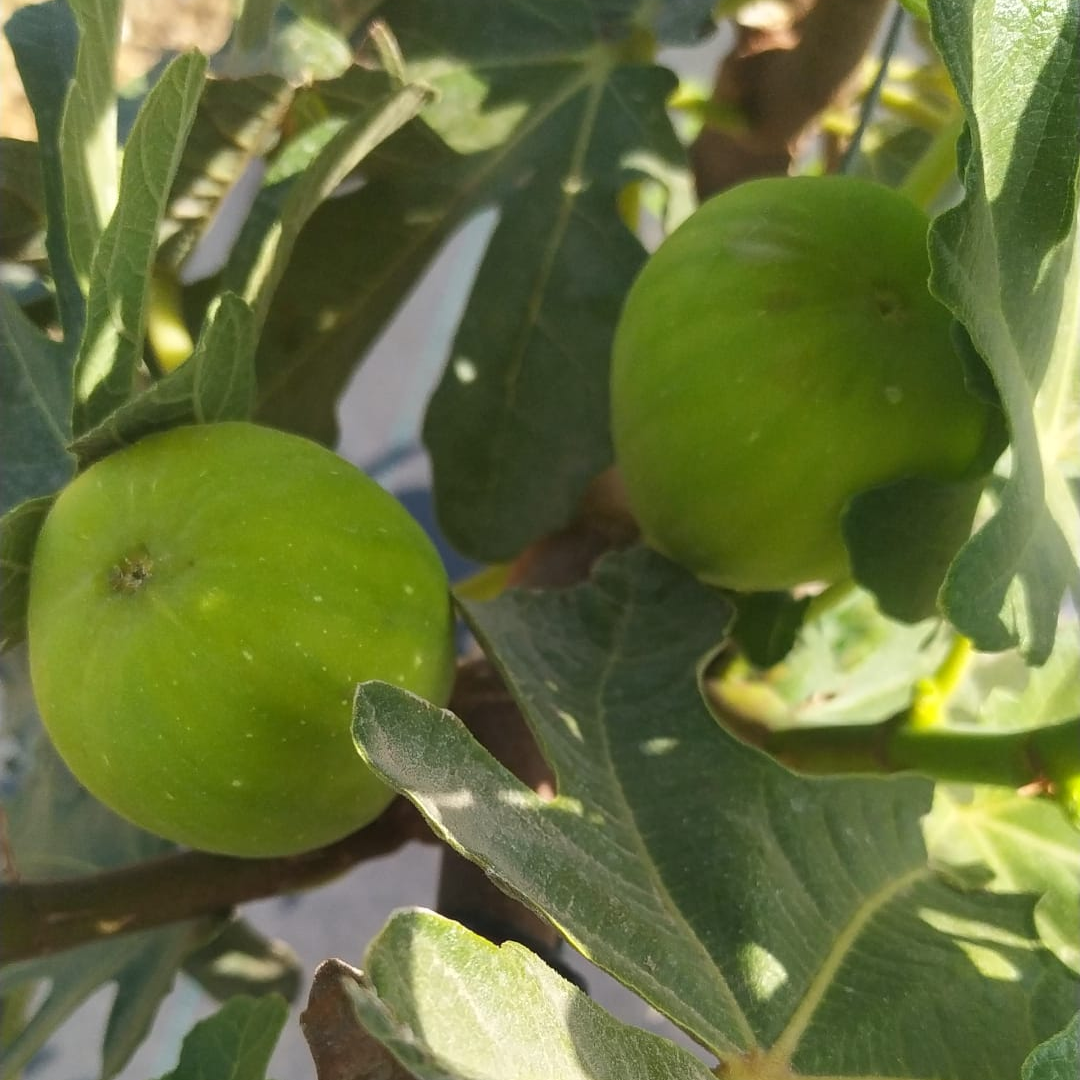
Figs and brevas are fruits from the same tree, the fig tree (Ficus carica), a name given by the Romans in honor of its origin, the Caria region (present-day Turkey).
In Spanish folklore, known for its ancestral proverbs, several sayings relate to these fruits, helping to highlight the difference between them. For example, “de higos a brevas” (literally “from figs to brevas”) refers to the different harvesting seasons and was commonly used to mean “once in a year.”
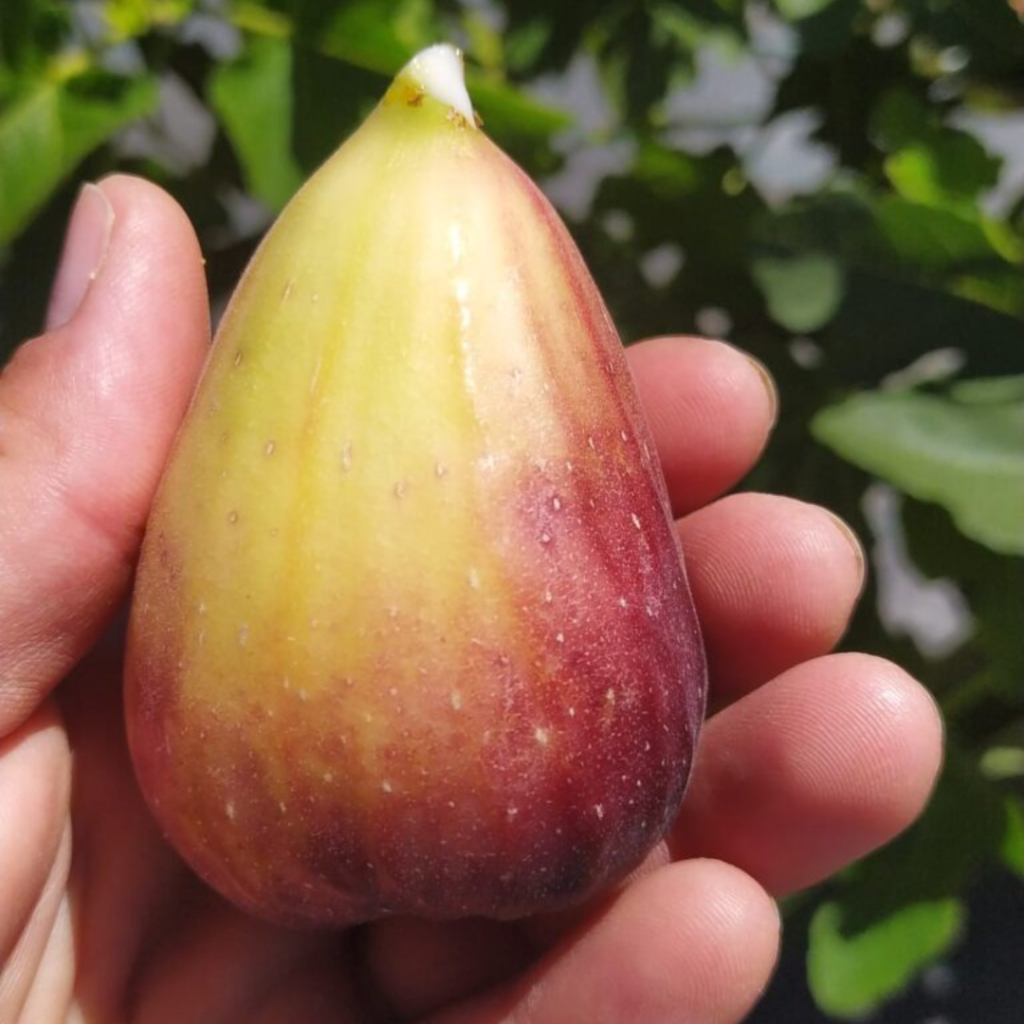
Brevas are the fruits of fig trees that develop from fruit buds that appeared on the branches during the previous year but didn’t mature as fruit during that year due to climatic, physiological, or cultural reasons. These buds mature the following year, usually in spring (May to June) and the early summer (June to July), depending on the variety and climatic conditions in our region (Northern Hemisphere).
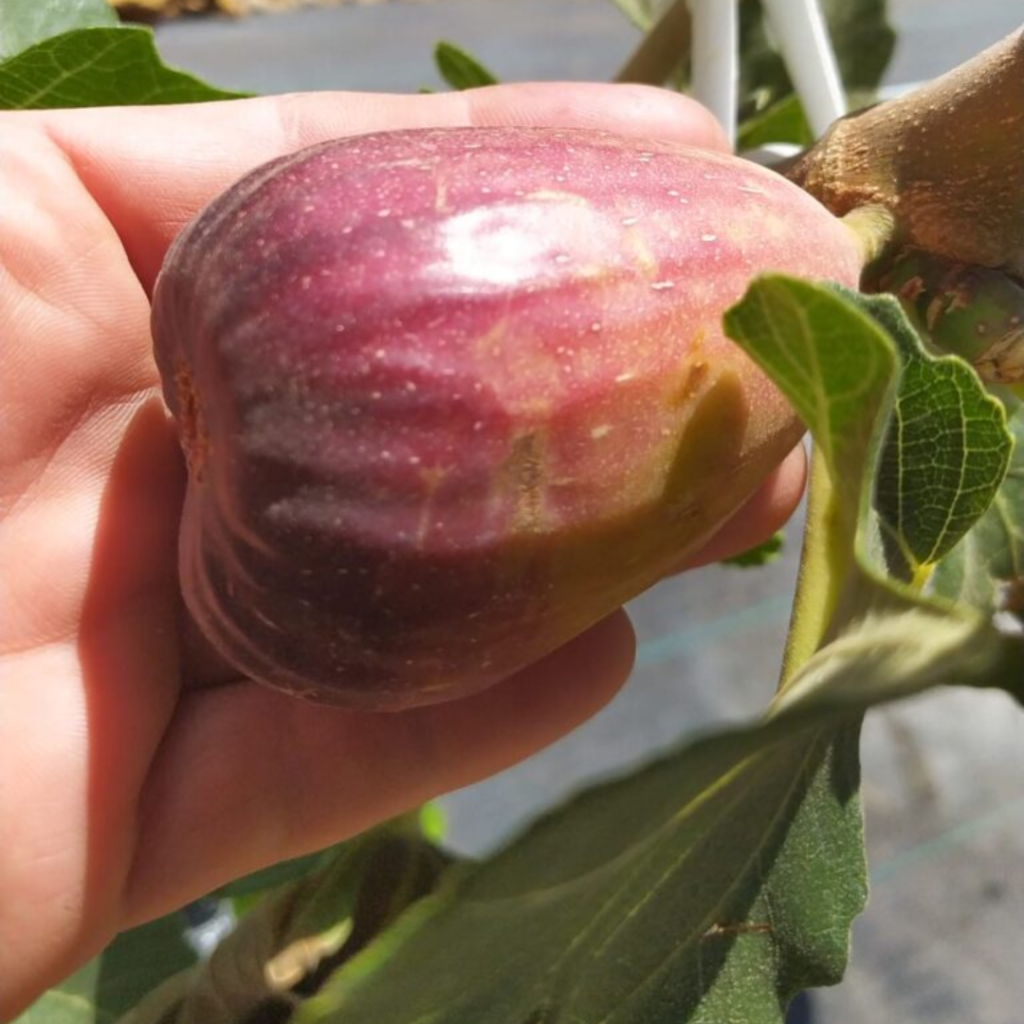
Figs, on the other hand, are fruits that develop from fruit buds that emerge on the new shoots of the current year, typically maturing during the summer (July to September) and in some varieties, even into the autumn (September to October).
Within the same variety, brevas are generally larger than figs. Within a calendar year (January to December), brevas are harvested earlier than figs.
Fruits with Flavor
Our innovative fig cultivation project prioritizes producing brevas and figs with exceptional flavor, offering consumers a moment of healthy happiness while providing a good dose of potassium, calcium, and magnesium.
To achieve this, we’ve designed a vertical planting system, ensuring that all fruits are exposed to sunlight. This allows them to mature slowly and naturally, reaching full ripeness and delivering an outstanding natural flavor. The production of brevas and figs has become the cornerstone of our agricultural philosophy.
Our Varieties
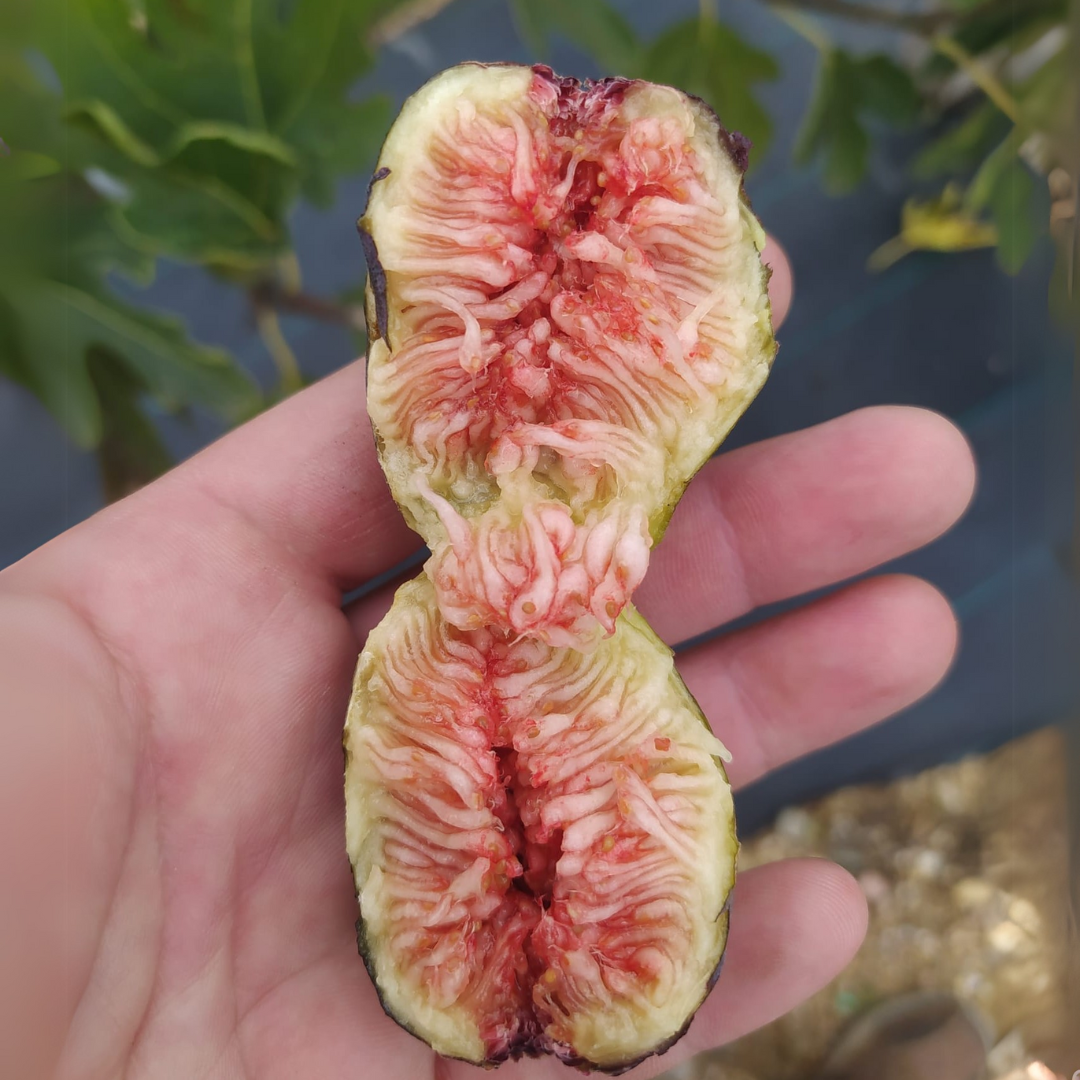
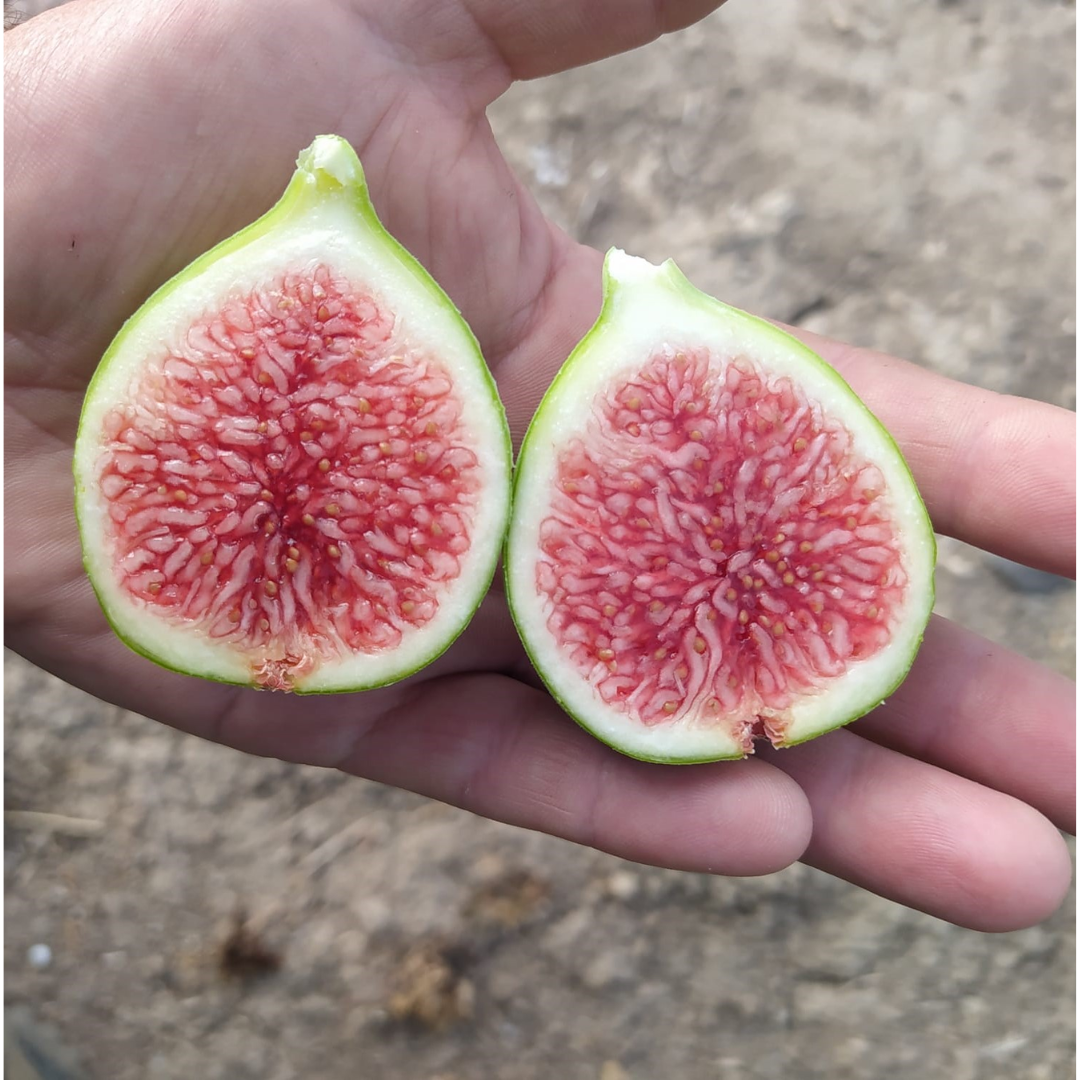
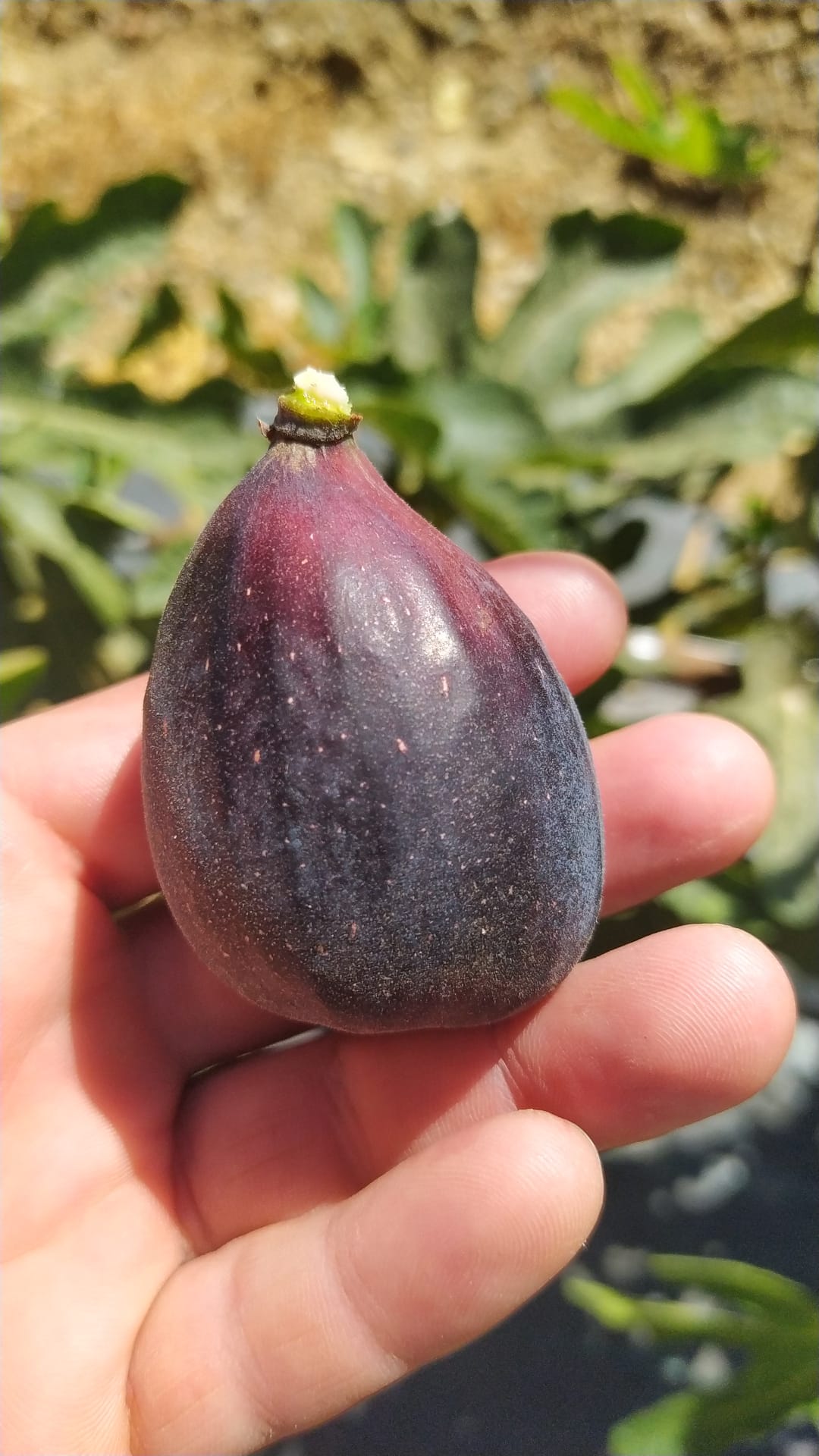
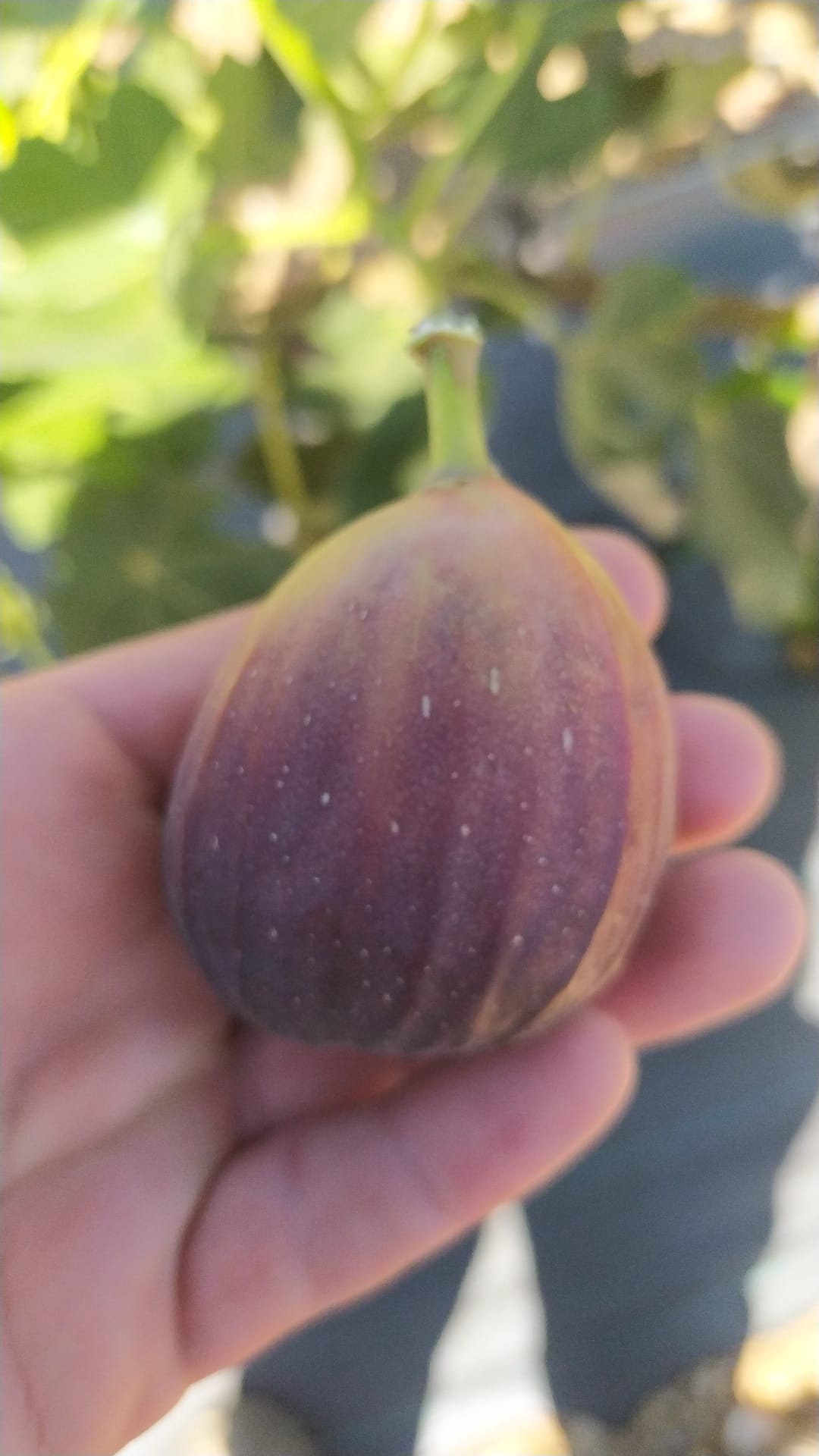
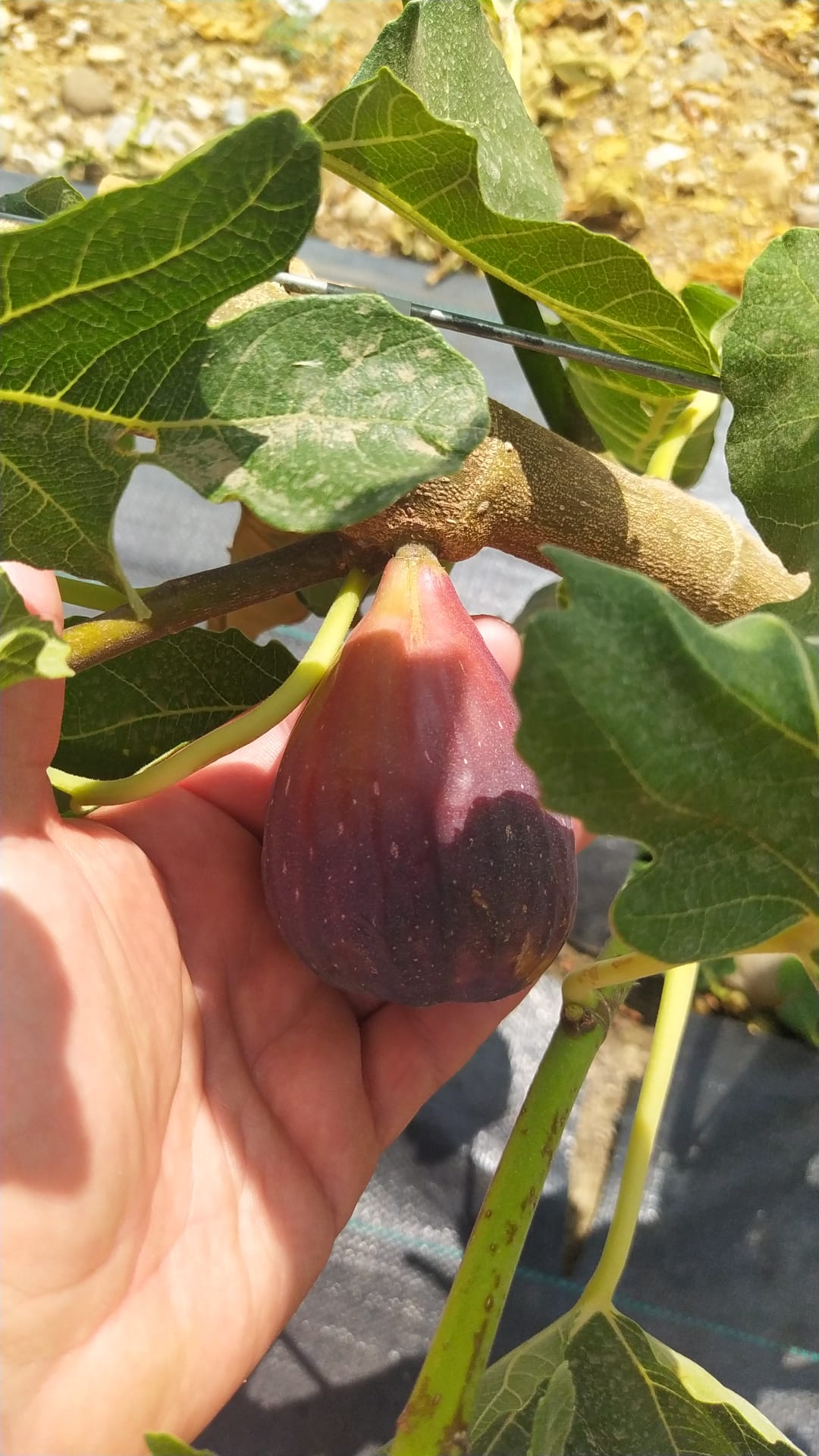
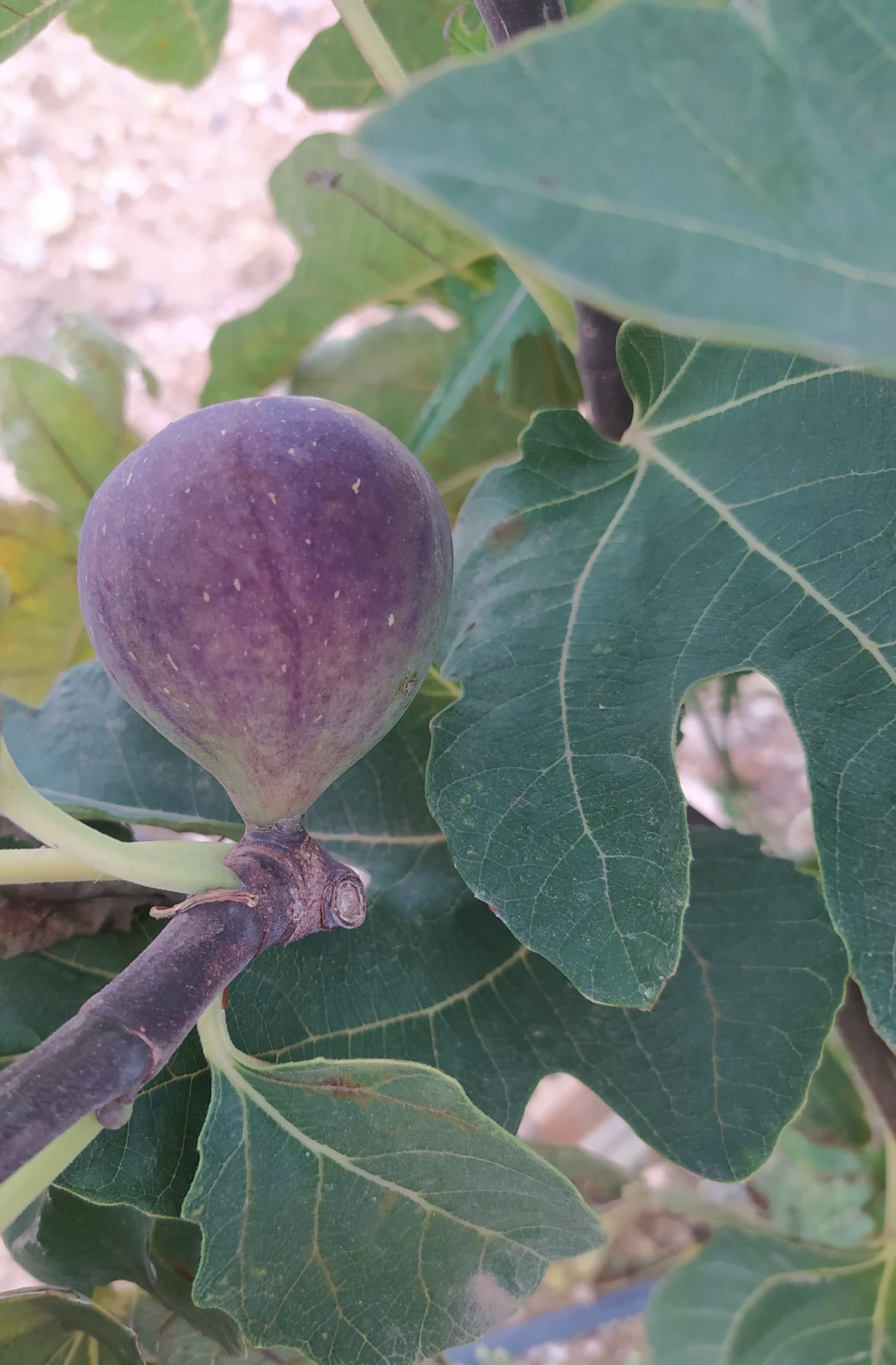
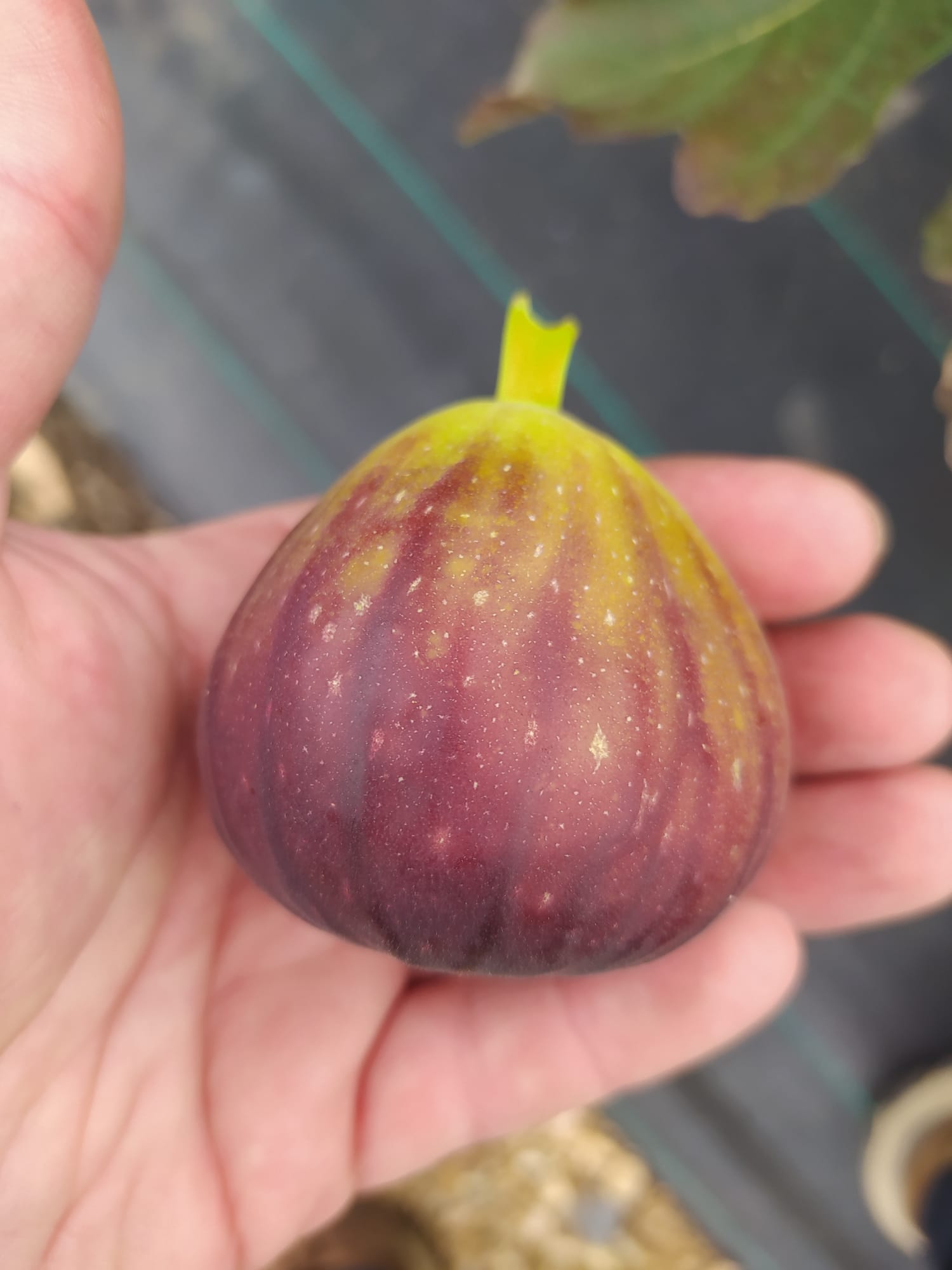
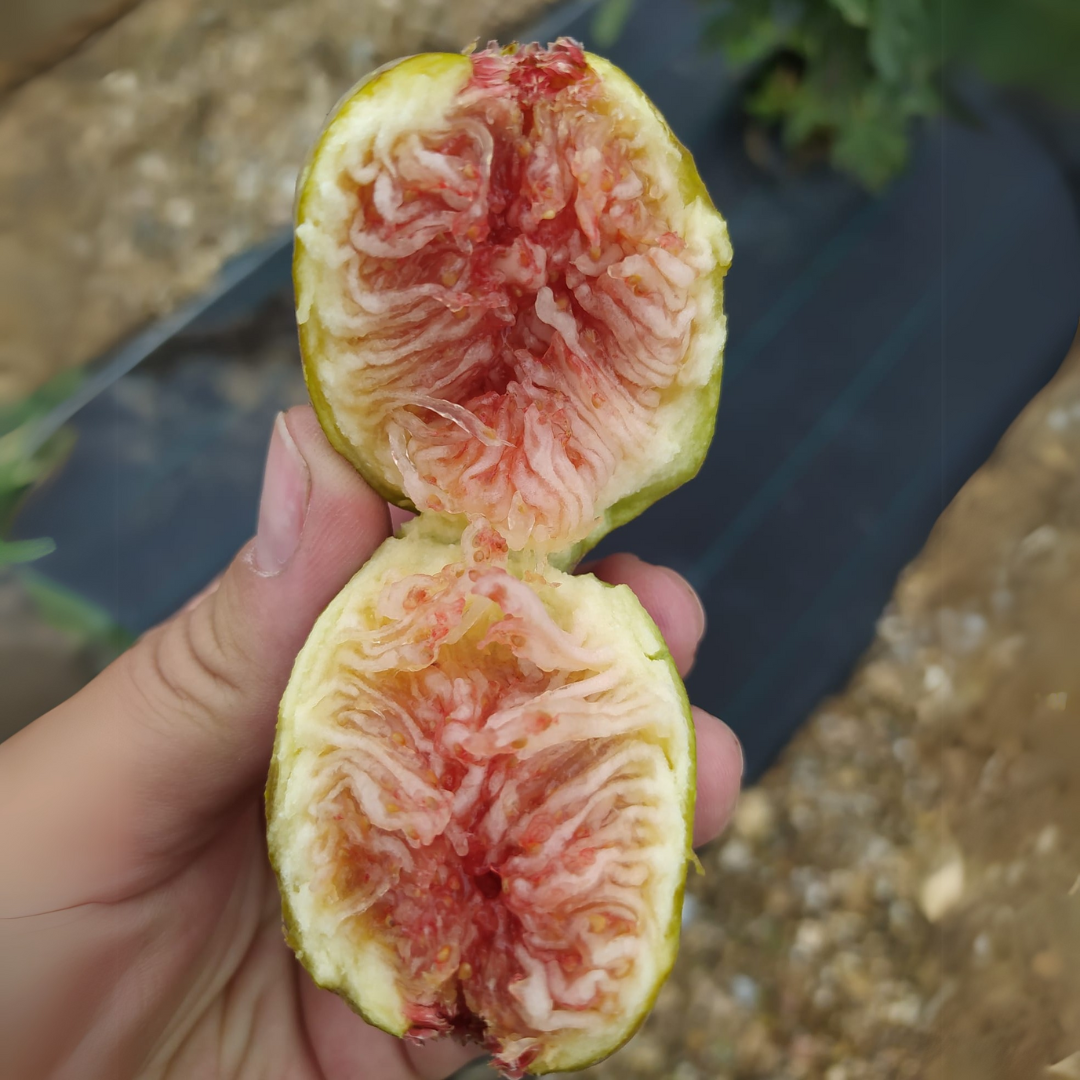
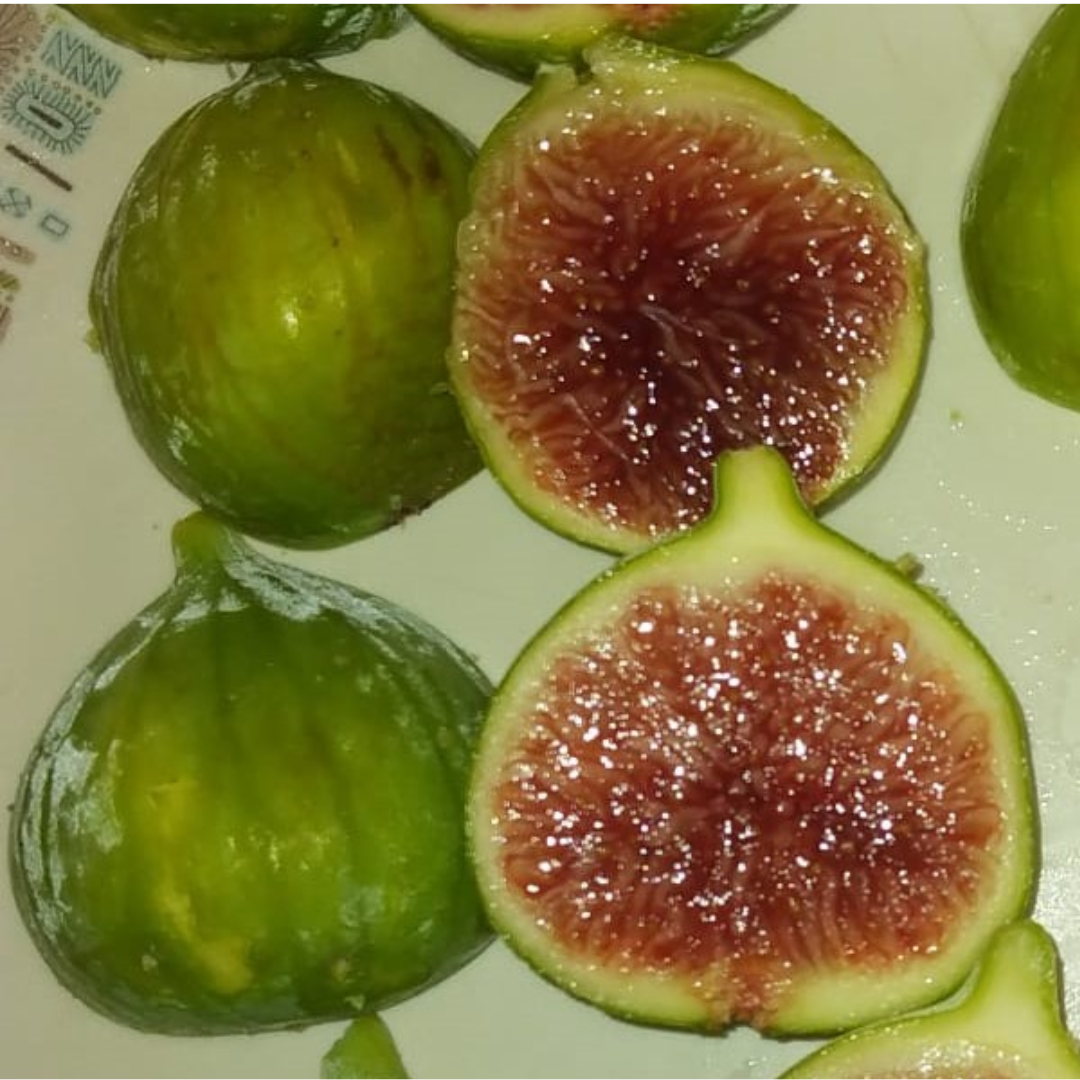
Our main commercial variety belongs to the Albacor or Colar group. These fruits (brevas and figs) are characterized by their dark-colored external skin and sweet, juicy, pinkish pulp. They are exceptionally sweet with a pleasant low acidity.
When harvested at their optimal ripeness, they exhibit excellent organoleptic qualities, as well as good durability during handling and transport.
Collection calendar
January | February | March | April | May | June | July | August | September | October | November | December | |
|---|---|---|---|---|---|---|---|---|---|---|---|---|
Brevas | X | X | ||||||||||
Figs | X | X | X | X | ||||||||
Looking to the Future
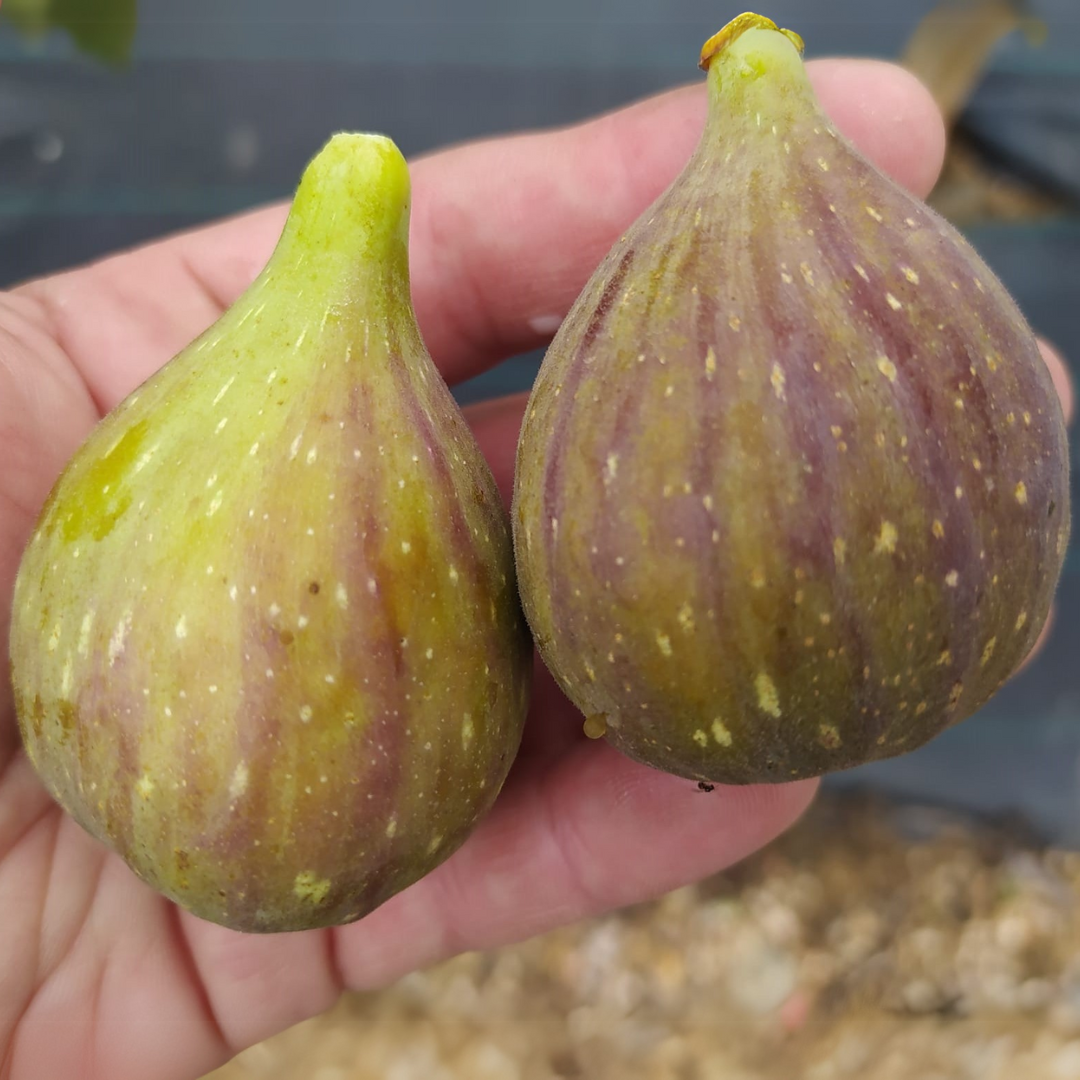
New plantations with varieties selected based on their overall quality (agronomic and post-harvest performance, organoleptic and sensory qualities, etc.) will soon be established. This will extend the harvesting calendar and diversify our qualitative fruit offerings.
Unique Varieties
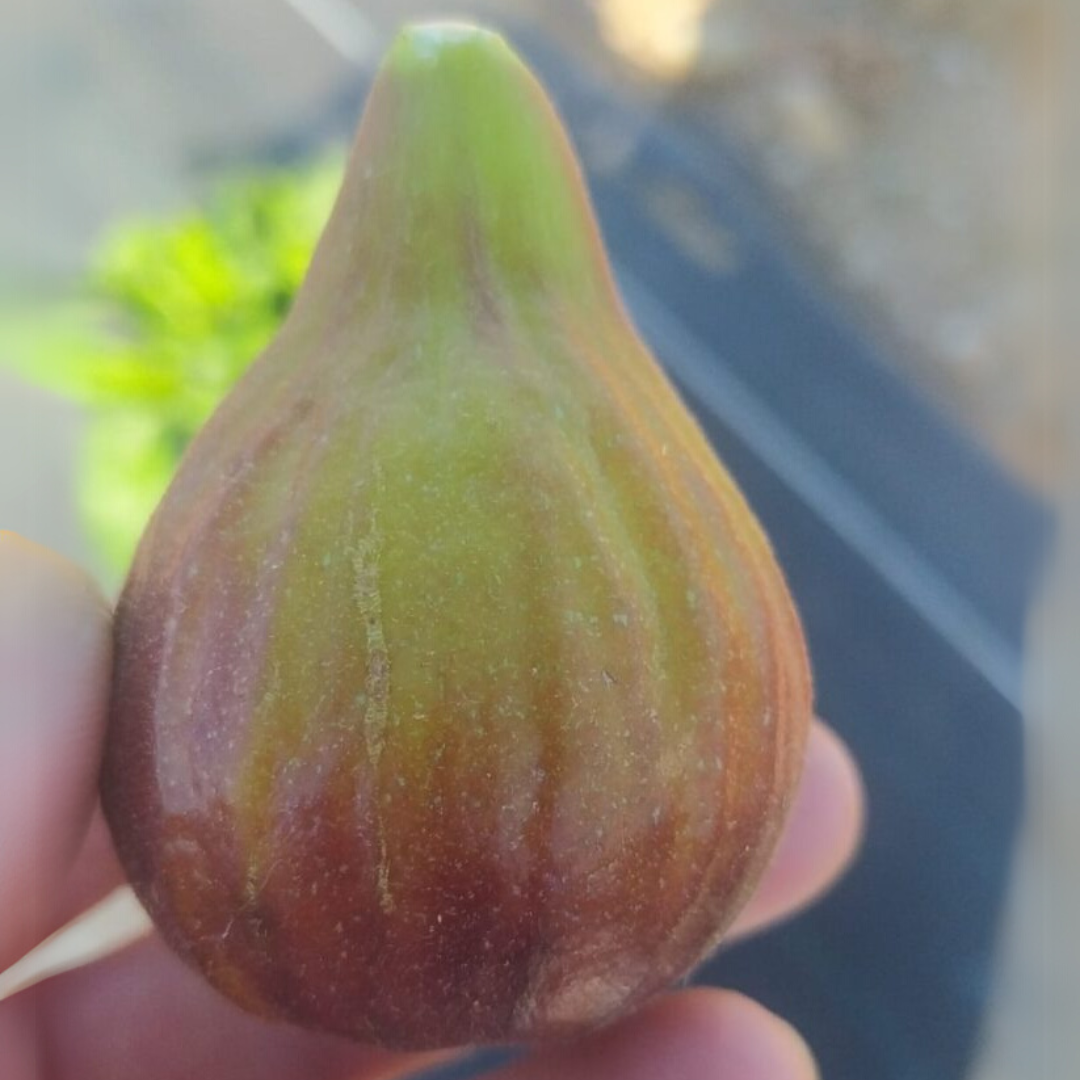
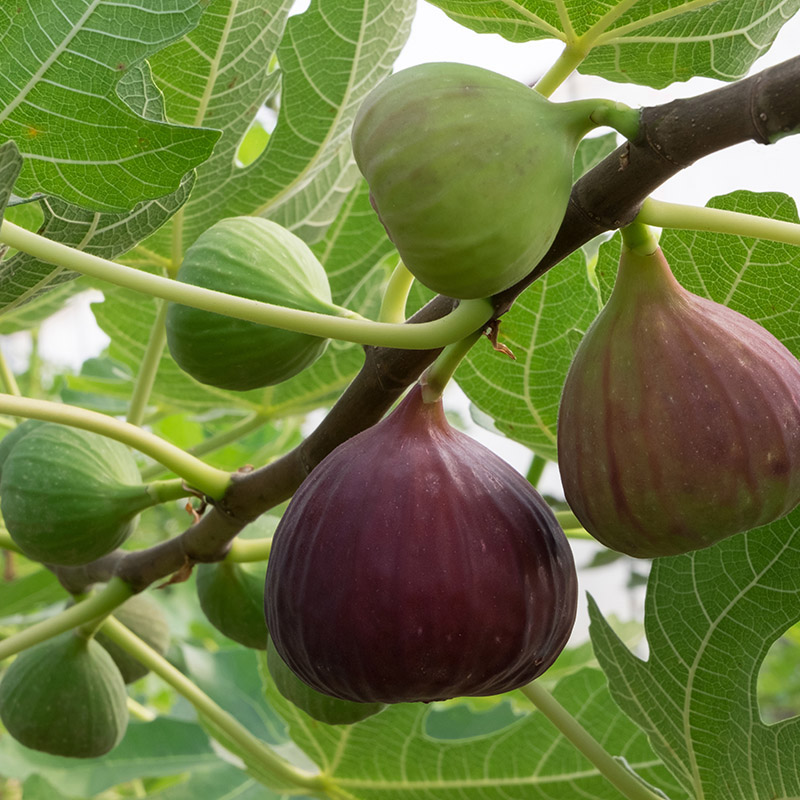
Thanks to our adaptability to new markets and commercial trends, we bring our productive and commercial expertise to meet the needs of even the most demanding operators. We offer the possibility of exclusive cooperation by adapting some of our plots for cultivating more specific varieties.
OUR CUSTOMERS:
Undoubtedly, satisfying our customers and final consumers is our ultimate goal. The Higos del Viar team works tirelessly every day with the satisfaction of achieving success through hard work and by nurturing our fields to obtain the most natural and excellent fruits possible.
At Higos del Viar, we strive to adapt to our customers’ needs (medium and large retailers, wholesale markets, etc.). If you require specific packaging for our fruits, let us know your proposal.
HARVESTING
One of the most important tasks in the entire fruit cultivation cycle is the harvesting process, which must be carried out by individuals who handle the fruits delicately, “caressing” their skin.
Understanding that our fruits are entirely edible, our harvesters always handle them wearing appropriate gloves that respect the tactile properties of the fruits to avoid damage.
All these efforts ensure the longest possible shelf life for our fruits.
PACKAGING
Our fruits are packaged with the utmost respect and care to achieve the longest possible shelf life within the characteristics of each variety.
Currently, we package in recycled cardboard boxes in various formats and sizes, with or without dividers made of different materials (cellulose, synthetic).
Another increasingly popular option in supermarkets is transparent micro-perforated clamshell or punnet packaging, ideal as a minimal retail unit for final consumers.
The packaging is always designed to allow palletizing on European or American standard pallets, with reinforced corners and proper strapping, ensuring refrigerated logistics deliver our fruits in excellent condition to their destinations.